For years, I researched intensive rotational grazing systems and their benefits for improving pasture. Rotational grazing stimulates plant growth, improves soil through natural fertilizer and reduces parasite loads. We tried to implement this system on our farm for several years with limited success.
Our challenges:
- Fencing. Electric net fences are necessary for rotational grazing if pastures are not cross-fenced (expensive!). They create grazing pens and are moved frequently to rotate animals from pen to pen. Net fence needs to be hot or animals will reach through and become entangled, causing fence failure and potentially death. Dry hard ground and sheep’s natural wool insulation created challenges keeping net fences hot enough to deter sheep during the dry season, so breaches were common.
- Infrastructure. Sheep require water and shade in every section of the pasture, but we didn’t have the resources to install water lines and build multiple shelters.
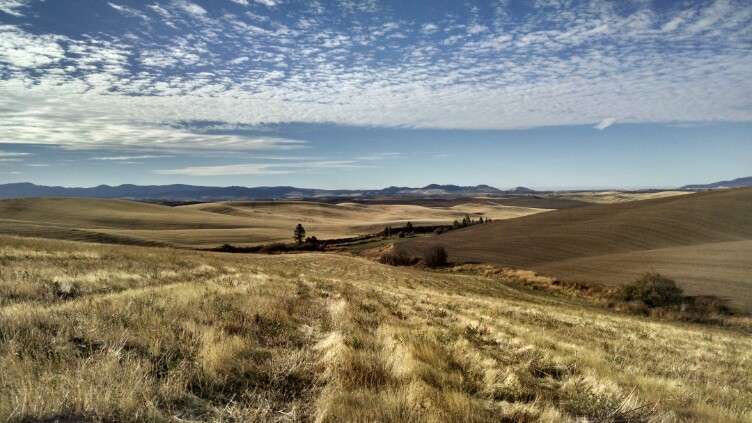
- Poor forage. Our property was commercially farmed for decades prior to being seeded for hay in about 2009. The hay grass did not get well established and the soils are very friable – turning to dust with very little disturbance. Intensive grazing, we have found, actually does more damage than good with our current soil and vegetation conditions.
- Drought. Rainfall ceases from July – September in normal years, but with extended drought conditions prevailing for the past decade, even less rainfall occurs in the growing season.
I adjusted my thinking and realized light rotational grazing instead of intensive might work. Fewer animals per pasture and less grazing time in each pen would provide the benefits of rotational grazing while preserving our fragile land. I decided to test it on a non-productive hayfield this season.

I upgraded to an 8 joule fence charger and installed it in a semi-permanent location. It is housed in a waterproof tote with a 7 watt RV solar panel and 12 volt lawnmower battery. I have ground rods, but have not installed them and have used the metal square wire fence as a ground.
For shade, I installed 3 t-posts in each of the pasture segments and use a 12 x 15’- 90% shade cloth tied to the fence and then to the t-posts. When I move sheep, I simply untie the cloth and move it to the next location. The little black sheep love their shade.
Our 250 gallon plastic utility carboy with a hose attachment provides water using gravity flow. We place it on a pallet in an uphill location where it can serve two sections of pasture and is moved with the tractor as needed.

The flock of 12 ewes are moved every 6 days to break the parasite cycle and preserve the forage and soils. So far, this system has worked very well for us.